Licensed technicians, same-day call-outs, proofing that keeps them out

Rodent Control

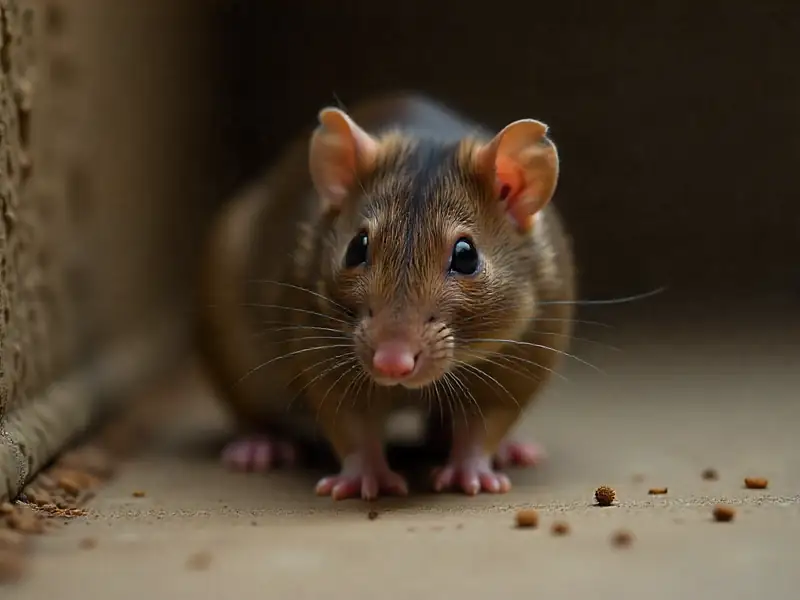
Rodent Control in Melbourne means finding where rats and mice are living, removing them, and sealing the entry points they used to get in. We handle scratching in ceilings, droppings in kitchens, chewed wiring and roof voids across the inner and south-eastern suburbs.

If you have heard movement overnight, book mice control in Melbourne today and we will inspect, treat and proof in one visit.

↗
Fast online booking

Request service today

Tell us what is happening. Our local team will confirm your visit shortly.

No spam. No obligation. Just practical help.
Thanks — we'll call shortly to confirm your visit.
Pest Control Melbourne Pros serving Melbourne
Careful work. Honest options.
About this service

What Rodent Control in Melbourne actually involves

Rodent Control in Melbourne is a three-part job: inspection, treatment and proofing. We start in the roof void and subfloor, because that is where most Melbourne rat activity hides. Thermal imaging cameras and moisture meters show us runways, nesting sites and old water damage.

From there we set rodent bait stations and snap traps along the walls where rodents travel, then seal gaps with mesh screens and foam sealants so the next generation cannot walk back in.

Melbourne's climate keeps rodent work busy all year. Cold, wet winters push rats into roof voids and wall cavities, and warm springs send mice through kitchens and pantries in Hawthorn, Kew and Balwyn.

Older terraces and weatherboard homes in the inner suburbs have gaps around pipes and eaves that let rodents in without any obvious sign. If you are searching mice control Melbourne near me because you found droppings under the sink, our team can usually attend the same day.

  • ✓ Same-day rodent removal
  • ✓ Proofing that lasts
  • ✓ Safe around kids and pets
  • ✓ Warrantied follow-up
What's included

What our rodent control service includes

Every standard rodent job covers inspection, treatment, proofing and a follow-up visit. Larger infestations, commercial premises and full roof-void sanitation are quoted separately once we have seen the property.

01
✓

Full property inspection

Roof void, subfloor, kitchen, laundry, garage and external perimeter checked for droppings, gnaw marks, runways and nesting material. Thermal imaging cameras trace movement inside wall cavities that are not visible from the outside.

02
✓

Interior and exterior treatment

Numbered rodent bait stations placed along internal runways, snap traps in roof voids, and bait gels or dust formulations inside wall cavities. All placements are mapped so the follow-up visit targets the same locations.

03
✓

Entry point proofing

Mesh screens over vents, foam sealants around pipe penetrations, and mortar or flashing repairs at eaves and roof lines. Most Melbourne homes need six to twelve gaps sealed, and we photograph each one for your records.

04
✓

Follow-up inspection

We return within seven to fourteen days to check stations, remove carcasses and confirm activity has stopped. If signs are still present, we re-treat at no extra cost within the warranty period.

05
✓

Written treatment report

A summary of what was found, what was treated and what was sealed, plus practical advice on bin storage, pet food and compost. Useful for rental records, body corporate files and commercial compliance.

How it works

Our rodent treatment process, step by step

We ask where you have heard or seen activity, how long it has been happening, and whether there are pets or children in the home. That five-minute call tells us whether you need a standard booking or an urgent visit. You get a fixed price range before we book anything.

A licensed pest controller inspects the roof void, subfloor, kitchen, laundry, garage and external perimeter. We look for droppings, grease rub marks, gnaw damage and nesting material, and use thermal imaging cameras to trace movement inside wall cavities. This stage takes 30 to 45 minutes on a typical Melbourne home.

We set numbered rodent bait stations along internal runways and snap traps in roof voids where rodents are active. Bait gels and dust formulations go into cavities and wall voids, out of reach of pets. Treatment placement is recorded on a site map so the follow-up visit is precise rather than a repeat of the first.

We seal the entry points we found, using mesh screens over vents, foam sealants around pipe penetrations, and mortar or flashing repairs at eaves and roof lines. Most homes need between six and twelve sealed gaps. This is the step that stops the problem returning after the traps are cleared.

We return within seven to fourteen days to check stations, remove carcasses and confirm activity has dropped. You receive a written report covering what was found, what was treated and what was sealed, plus practical advice on bin storage, pet food and compost that keeps rodents from coming back.

Rodent Control
STEP 01Phone assessment

We ask where you have heard or seen activity, how long it has been happening, and whether there are pets or children in the home. That five-minute call tells us whether you need a standard booking or an urgent visit. You get a fixed price range before we book anything.

Tools & methods

Tools and methods we use

01
✓

Rodent bait stations

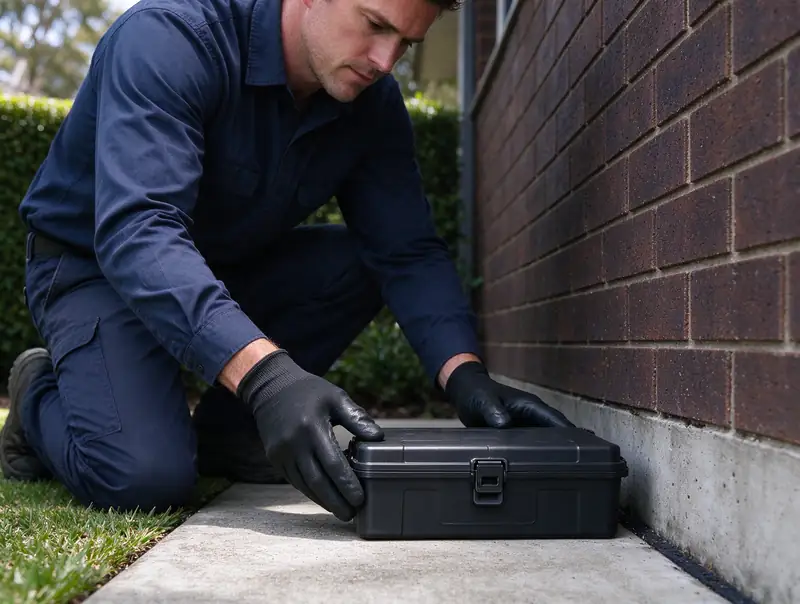
Locked, tamper-resistant stations placed along internal runways and external perimeters. They hold bait securely away from pets and children and are numbered so each one can be checked on the follow-up visit.

02
✓

Snap traps

Used in roof voids and subfloors where rodents are moving but bait alone is not enough. Traps are set along walls and beams where rodents travel, and checked and cleared on every follow-up.

03
✓

Thermal imaging cameras

Show heat signatures inside wall cavities and roof voids so we can trace runways and nesting sites without pulling the building apart. This is how we find activity that is not visible from the outside.

04
✓

Moisture meters

Detect damp timber and insulation around rodent runways. Rodents follow water, and moisture damage often points to entry points and nesting areas that would otherwise be missed.

05
✓

Bait guns and dust applicators

Deliver bait gels and dust formulations precisely into wall cavities, voids and subfloor areas. Precise application keeps product where rodents travel and away from living areas.

06
✓

Mesh screens and foam sealants

Used to seal vents, pipe penetrations and gaps at eaves and roof lines. These are the materials that turn a one-off treatment into a permanent fix.

Real results

Before and after.

Hawthorn terrace, roof void cleared
Rodent Control

Hawthorn terrace, roof void cleared

The owner had heard scratching above the bedroom for three weeks and found droppings in the hallway cupboard. Inspection found rat runways along the roof beams and two open gaps at the eaves where the flashing had lifted.

After: We set snap traps and locked bait stations along the runways and sealed both eave gaps with mesh and flashing repairs. The follow-up at day ten found no fresh activity, and the scratching had stopped within four nights.

Book this service →
Cremorne cafe, kitchen cleared
Rodent Control

Cremorne cafe, kitchen cleared

Mice were getting into dry storage and leaving droppings on shelving. The back roller door had a 20 mm gap at the base and the wall cavity behind the prep bench was open at both ends.

After: We treated the cavity with bait gels and locked stations during a visit scheduled around trading, sealed the roller door gap and closed the cavity openings. The council inspection two weeks later passed with no rodent findings.

Book this service →
Elwood weatherboard, subfloor sealed
Rodent Control

Elwood weatherboard, subfloor sealed

Rats were entering through subfloor vents and moving into the wall cavity. The owner had tried supermarket bait for two months with no result, and the smell under the house was getting stronger.

After: We sealed six subfloor vents with mesh screens, packed three pipe penetrations with foam sealant, and treated the subfloor and cavity with dust formulations. The follow-up at day twelve confirmed no fresh droppings or runways.

Book this service →
Problems we solve

Rodent problems we fix across Melbourne

Most rodent calls start with a noise, a smell or a dropping. By the time you notice one of those, the activity has usually been running for weeks. Here are the problems we deal with most often.

Ask a pro →
01

Scratching and scurrying in the roof at night

We inspect the roof void with thermal imaging cameras, identify the runways and nesting sites, then set snap traps and locked bait stations along those paths. Entry points at the eaves and roof line are sealed with mesh screens and flashing repairs so the void stays clear.

↗
02

Droppings in kitchen cupboards and pantries

We treat internal runways with bait gels and locked stations, then seal the gaps behind kickboards, around plumbing and under benches. For commercial kitchens we schedule visits around trading so trading is not interrupted and provide a written report for compliance.

↗
03

Rats entering through subfloor vents and pipe gaps

We seal subfloor vents with mesh screens, pack pipe penetrations with foam sealants and repair damaged mortar. Once the entry points are closed, we treat the subfloor and wall cavities with dust formulations and confirm the result on the follow-up visit.

↗
04

Recurring rodent activity every winter

We audit every previous entry point, seal what was missed and set a monitoring program with numbered stations checked on a schedule. That is how you break the annual cycle rather than paying for the same treatment every year.

↗
Good questions

Frequently Asked Questions

The most reliable method is combining locked rodent bait stations and snap traps with physical proofing of entry points. Trapping alone clears the current mice but leaves the gaps open, so new ones move in within weeks. We use bait gels and dust formulations inside cavities, then seal vents, pipe penetrations and eaves with mesh screens and foam sealants.

Start by finding the entry point, not by buying supermarket bait. Rats in Melbourne usually enter through roof voids, subfloor vents and gaps around plumbing. Seal those openings, then treat the runways inside with professional rodenticides placed in locked stations. If you are unsure how to get rid of rats in Melbourne safely around pets, book an inspection and we will map the activity first.

Yes, when the treatment is placed correctly. We use locked rodent bait stations and put bait gels and dust formulations inside wall cavities and roof voids that pets cannot reach. Loose bait in open floor areas is never part of our method. Tell us about dogs, cats or birds at booking and we will adjust placement and give you clear re-entry advice.

Ready when you are

Book Rodent Control in Melbourne today

Scratching in the ceiling does not fix itself. We are licensed, insured and warrantied, and we hold same-day slots for urgent rodent work across Melbourne. Get a quote and we will confirm a time, a price range and what to expect on the day.

Schedule service →
Request an appointment

Book a Melbourne pest inspection

Send us the form with your suburb and what you have seen, and we will come back with a time window and a price range. Servicing Melbourne and the surrounding suburbs.

Office hoursMon–Sat 9am–7pm
Request received — our team will be in touch shortly.